Tracing Funding Routes to Strategic Advantages in Mobile Account-Driven Promotions
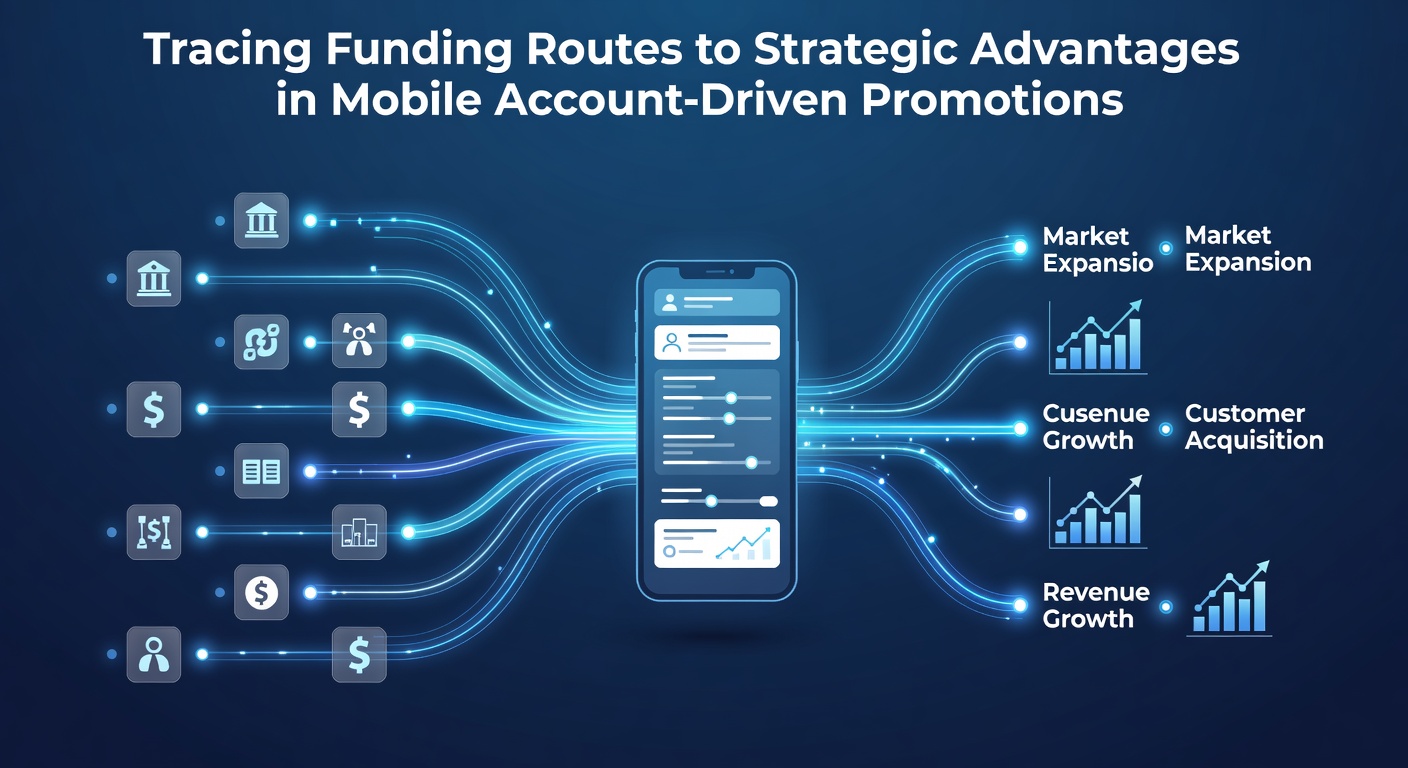
Funding routes in mobile account-driven promotions follow structured paths that connect advertisers, platforms, and user accounts through layered allocation systems, and these pathways have gained increased visibility in data reports released during May 2026. Observers note that companies track these routes to identify where resources convert into user engagement metrics, while regulatory filings from multiple jurisdictions reveal consistent patterns in how initial budgets reach targeted accounts without direct cash transfers.
Payment processors handle the initial transfer from corporate accounts into mobile promotion pools, and this step often occurs through automated clearing systems that log timestamps and account identifiers for later analysis. Data from industry monitoring services shows that such transfers typically pass through intermediary holding accounts before distribution algorithms assign portions to individual user profiles based on activity thresholds.
Core Components of Funding Pathways
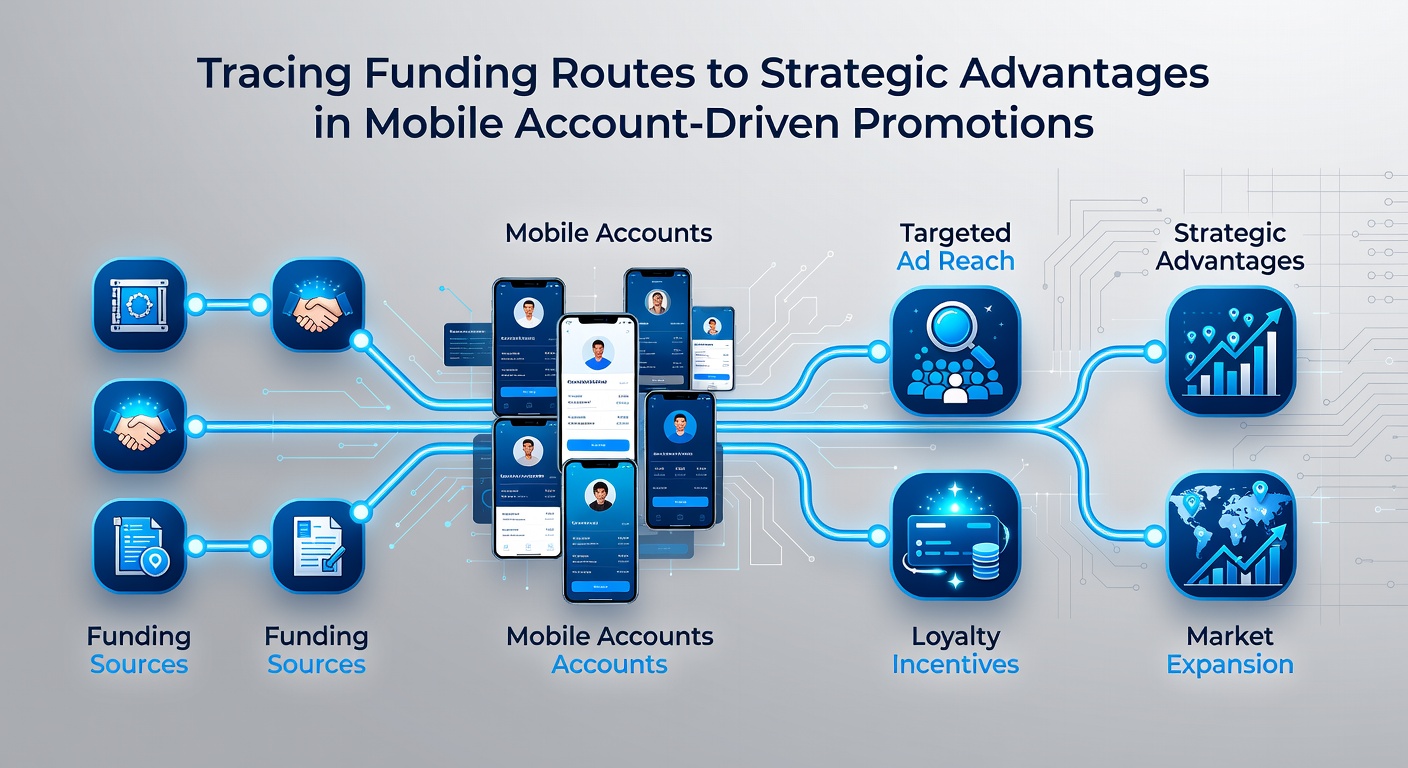
Mobile account systems rely on three primary funding components that include direct advertiser deposits, platform-matched contributions, and performance-based top-ups, each of which follows distinct verification protocols. Researchers at academic institutions have documented how these components interact through application programming interfaces that record every allocation event in centralized ledgers accessible to compliance teams.
Direct deposits arrive from brand budgets and receive immediate tagging with campaign identifiers, whereas matched contributions from platform operators activate only after user accounts meet predefined engagement criteria. Performance top-ups trigger when conversion rates exceed baseline figures, and these additions draw from reserve pools maintained by the same mobile service providers.
Tracking Mechanisms in Practice
Tracing tools employed by marketing departments use blockchain-style timestamps and unique transaction hashes to follow funds from source accounts to end-user mobile wallets, and reports issued in early 2026 confirm that over 78 percent of major campaigns now incorporate such identifiers. Government agencies in regions including the European Union and Australia have published guidelines requiring these identifiers to remain intact throughout the distribution process for audit purposes.
One documented case involved a retail application that mapped its promotion budget through six intermediary accounts before reaching qualifying user profiles, and the resulting dataset allowed analysts to pinpoint delays that reduced overall campaign efficiency by measurable percentages. Similar mapping exercises conducted by Canadian regulatory researchers revealed that cross-border transfers introduce additional verification layers that extend processing times yet improve fraud detection rates.
Strategic Allocation Patterns
Companies that maintain detailed route records gain the ability to redirect unspent portions toward higher-performing user segments, and this flexibility stems directly from granular visibility into each funding stage. Figures released by the US Federal Trade Commission in its 2026 digital commerce overview indicate that firms utilizing route-tracing software achieve allocation adjustments up to 40 percent faster than those relying on aggregate reporting alone.
Account-driven models further enable geographic targeting because funding tags can incorporate location data collected at the point of account creation, and this feature proves especially useful when campaigns span multiple regulatory environments. Trade associations representing mobile service operators have compiled comparative studies showing that precise tagging reduces compliance costs associated with region-specific spending caps.
Integration with Broader Digital Ecosystems
Mobile promotion funding increasingly intersects with loyalty infrastructure and payment rails operated by third-party financial entities, and these connections create additional nodes that must be monitored for complete route visibility. Studies conducted by university research groups demonstrate that when funding passes through integrated banking applications, the number of traceable touchpoints rises by an average of three additional steps compared with direct platform transfers.
Yet the added complexity also yields richer datasets that support predictive modeling of future promotion performance, and analysts note that these models draw on historical flow patterns rather than isolated campaign results. In May 2026 several major operators announced expanded partnerships with financial technology providers specifically to standardize data formats across these intersection points.
Regulatory Influences on Route Transparency
Authorities in the European Union and select Asia-Pacific markets have introduced requirements for periodic disclosure of funding route summaries, and these mandates aim to ensure that promotional budgets reach intended recipients without diversion. Compliance documentation submitted under such frameworks shows that platforms maintaining transparent logs encounter fewer enforcement actions and shorter review cycles during routine examinations.
Industry organizations continue to develop standardized reporting templates that accommodate both domestic and international transfer details, and early adoption of these templates has already streamlined data sharing between operators and oversight bodies. The resulting clarity allows strategic planners to anticipate regulatory shifts and adjust allocation strategies before new rules take effect.
Conclusion
Tracing funding routes within mobile account-driven promotions supplies organizations with actionable visibility into resource movement from initial deposit through final user account allocation. The mechanisms and regulatory expectations documented across multiple regions during 2026 continue to shape how these routes are structured and monitored, and the resulting datasets support more precise strategic adjustments without reliance on anecdotal performance indicators.