Shifts in Strategy Triggered by Tiered Incentives Across Portable Poker Formats
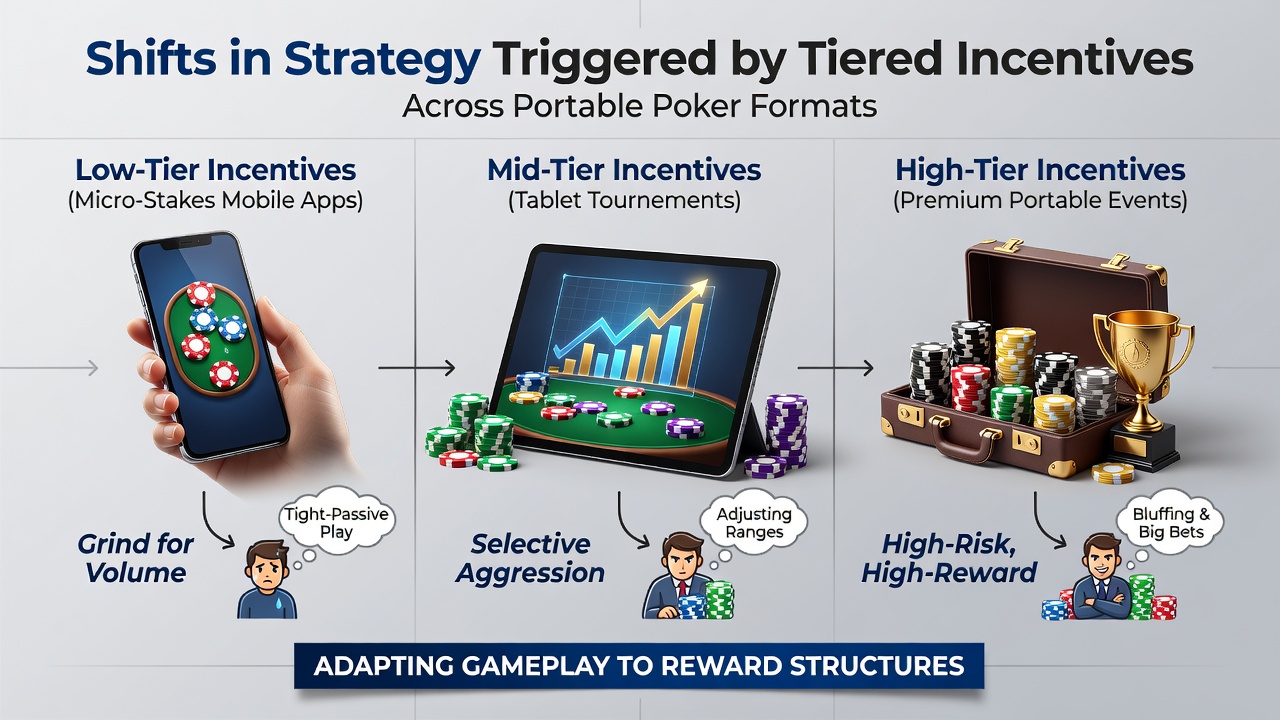
Portable poker formats have expanded rapidly through mobile applications and handheld platforms, and tiered incentive structures now shape how participants allocate time, adjust aggression levels, and manage bankrolls across cash games and tournaments. Research from industry monitoring bodies indicates that reward ladders tied to volume, rake contribution, and session frequency alter decision thresholds in measurable ways, particularly when players cross from one tier to the next. Data collected through platform analytics during the first half of 2026 show consistent patterns where participants extend playing hours or modify bet sizing once they near the next reward bracket.
Structure of Tiered Systems in Portable Environments
Most major mobile operators organize incentives into progressive tiers that unlock higher cashback percentages, tournament ticket allocations, or deposit bonuses after set thresholds of rake paid or hands played. These systems differ from traditional loyalty programs because the portable format allows continuous tracking through device sessions rather than isolated visits to physical venues. According to figures released by the American Gaming Association, mobile poker accounts in North America recorded a 27 percent increase in multi-session days between January and June 2026, coinciding with the rollout of new tier ladders on several prominent apps. Players often recalibrate their game selection once they identify which formats contribute most efficiently toward the next reward level.
Behavioral Adjustments Observed in Cash and Tournament Play
Observers tracking portable poker data note that participants shift toward higher-volume, lower-variance formats such as micro-stakes cash games or fast-fold variants when chasing tier advancement. This adjustment occurs because those formats generate rake at a steadier rate than larger buy-in tournaments, allowing quicker progress through incentive brackets. In contrast, once a player secures the top tier, strategy frequently pivots toward higher-stakes events where the relative value of the unlocked rewards diminishes compared with potential winnings. Platform telemetry from July 2026 events revealed that average session length dropped by 14 percent among users who had already reached the highest reward tier, while aggression metrics in hand histories increased as bankroll preservation became less constrained by volume requirements.
Regional Regulatory Context and Platform Responses
Regulatory frameworks in different jurisdictions influence how these incentive structures operate. Canadian provincial gaming authorities require transparent disclosure of tier qualification criteria, which has prompted operators to publish clear progress meters within their applications. In Australia, the National Consumer Protection Framework imposes spending and time-limit tools that interact directly with tiered promotions, forcing players to decide whether continued volume play aligns with both reward targets and regulatory safeguards. These regional differences create distinct strategic environments: Canadian users tend to concentrate play within single apps to maximize one ladder, whereas Australian participants more frequently rotate across platforms to stay under daily limits while still accumulating rewards.
Evidence from Academic and Industry Studies
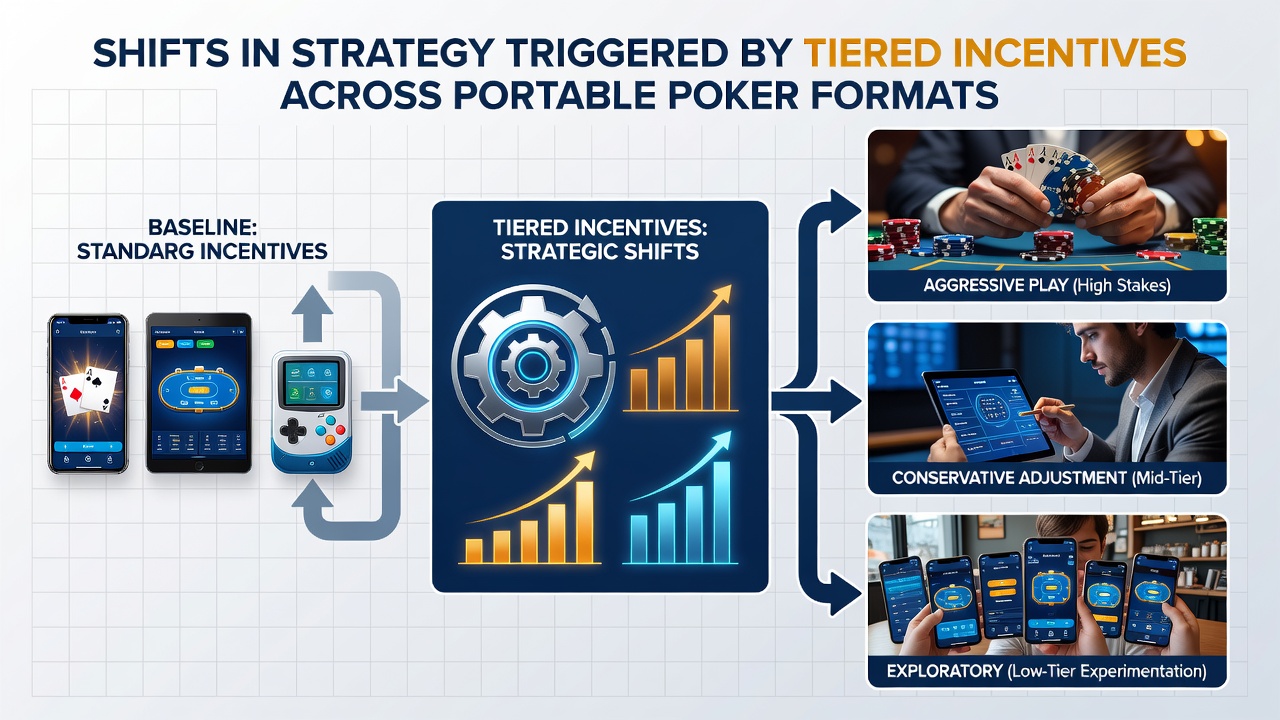
A 2025 report issued by the Canadian Centre for Gaming Research examined transaction logs from 12,000 mobile poker accounts and found that players increased their average number of tables played by 1.8 once they entered the second-highest incentive tier. The same study documented a corresponding rise in early-stage tournament folds among those same accounts, suggesting a preference for survival over chip accumulation when the primary goal shifts to maintaining tier status rather than maximizing immediate equity. European researchers at the University of Malta’s gaming analytics unit reported parallel findings in a separate dataset covering Mediterranean-facing operators, where multi-tabling frequency rose sharply in the weeks leading up to tier reset dates.
Interaction with July 2026 Tournament Calendars
Portable formats intersect with live festival schedules when satellite qualifiers feed into events such as the World Series of Poker and Triton series. During July 2026, several operators adjusted their mobile satellite structures to award additional entries into high-profile events as tier-completion bonuses. Participants responded by altering satellite selection criteria, favoring formats that both contributed to volume targets and carried overlay potential. Tracking services recorded elevated late-registration rates in these satellites, a tactic that preserves mental bandwidth while still generating the required rake for tier movement.
Conclusion
Tiered incentive programs continue to recalibrate strategic priorities across portable poker formats by linking reward access to measurable activity metrics. Platform data, regulatory disclosures, and independent research together demonstrate that players modify volume, variance tolerance, and game selection in response to their current position on each ladder. As mobile poker ecosystems evolve through 2026 and beyond, these incentive-driven adjustments remain a central factor in how participants allocate attention and capital across devices and sessions.