Navigating Tiered Rewards to Refine Decision Processes in Portable Cash Scenarios
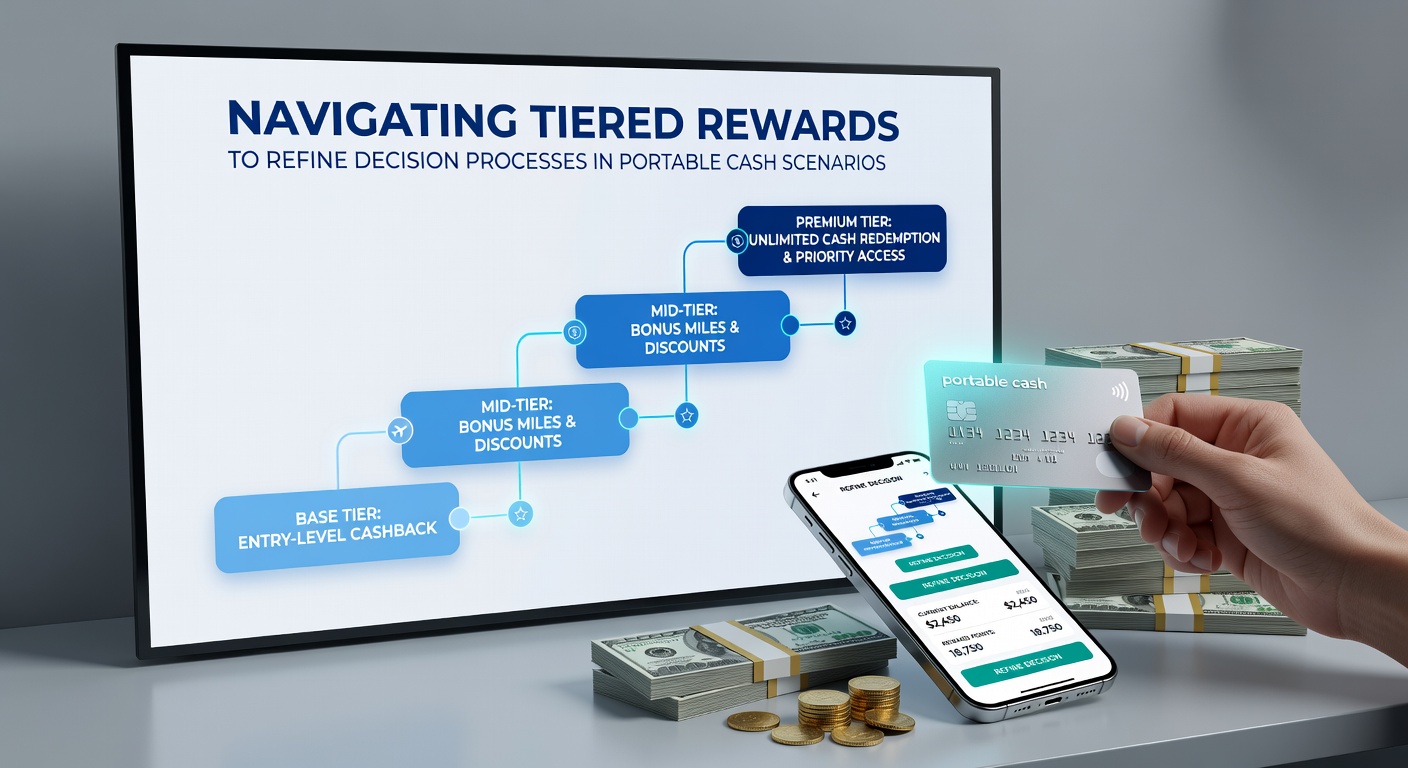
Data from mobile gaming platforms shows that tiered reward structures have expanded significantly in portable cash scenarios since early 2025, with many applications introducing four to six distinct levels that unlock progressive benefits such as reduced rake percentages, bonus cash multipliers, and priority access to high-stakes tables. Players access these systems through daily login streaks, volume-based play metrics, and achievement milestones tracked in real time on handheld devices. Research from the Australian Gambling Research Centre indicates that participants who monitor their progress across tiers adjust betting patterns more frequently than those using flat reward models, leading to measurable shifts in session length and risk assessment during cash games.
How Tier Structures Operate in Mobile Cash Environments
Portable applications segment rewards into ascending brackets that activate after cumulative cash game hands reach specific thresholds, often measured in big blinds or total rake contributed over a rolling 30-day window. Entry-level tiers typically grant basic cashback rates around 5 to 10 percent while mid-tier unlocks provide rake reductions of up to 15 percent along with occasional free tournament entries; top tiers add features such as personalized table seating preferences and expedited withdrawal processing. According to figures released by the Nevada Gaming Control Board in their 2025 annual review, mobile cash game participation rose 22 percent year-over-year partly because these layered incentives encourage consistent engagement without requiring larger initial deposits.
Observers note that the timing of tier advancement often coincides with promotional windows, such as the June 2026 updates rolled out across several major platforms, where temporary multipliers on existing rewards coincided with new cash game variants. These synchronized releases allow users to accelerate progress through brackets while simultaneously testing refined decision frameworks under boosted incentive conditions.
Decision Refinement Through Progressive Incentives
Studies conducted by the University of Las Vegas International Gaming Institute reveal that players who track tier progression tend to extend analytical pauses before committing chips in marginal spots, particularly when nearing the next reward threshold. The mechanism works because future benefits become quantifiable variables in expected value calculations; a participant one level away from a rake reduction might size bets differently to preserve bankroll longevity rather than chasing short-term variance. Data indicates this behavioral adjustment appears most pronounced in micro and low-stakes cash games where portable sessions average under 90 minutes.

Take one documented pattern observed across multiple European operators: participants who reached silver or gold brackets after sustained volume frequently reduced their preflop aggression metrics by 8 to 12 percent in subsequent sessions. This shift occurs because the accumulating rewards create a compounding effect that rewards disciplined bankroll management over impulsive plays. Those who've examined session logs from 2025 through mid-2026 report similar trends in regions where regulatory frameworks require transparent display of tier requirements, allowing users to plan advancement paths more deliberately.
Strategic Approaches to Tier Navigation
Industry reports from the Canadian Gaming Association highlight several repeatable methods players employ to align reward tracking with in-game choices. One approach involves setting volume targets calibrated to tier cutoffs rather than arbitrary session goals, which helps maintain focus during extended portable sessions. Another involves cross-referencing current tier benefits against table selection filters so that cash games offering the highest effective return after rake adjustments receive priority. Platforms that integrate these filters directly into lobby interfaces have recorded higher average session retention rates according to aggregated operator data.
What's interesting is how external regulatory changes influence these strategies. When new compliance rules took effect in select Australian jurisdictions during spring 2026, several applications adjusted their tier reset periods to monthly cycles, prompting users to recalibrate their decision timelines around clearer advancement windows. Such modifications illustrate how structural updates in reward design directly feed into refined evaluation processes during cash play on mobile devices.
Integration With Broader Platform Features
Many portable systems now link tier status to additional tools such as hand history exports and real-time equity calculators, creating feedback loops that support ongoing decision improvement. Users at higher brackets gain early access to these analytical add-ons, which in turn facilitate more precise adjustments to betting frequencies and sizing ranges. Evidence from operator analytics suggests that engagement with these integrated features correlates with steadier profit curves over multi-week periods compared with baseline player cohorts.
Yet the relationship between tier advancement and decision quality remains dependent on transparent communication of requirements. Platforms that provide clear progress dashboards and predictive calculators for upcoming benefits tend to see stronger alignment between user behavior and reward optimization. This transparency reduces guesswork and allows participants to incorporate long-term incentive structures into immediate cash game choices without distraction from core gameplay elements.
Conclusion
Layered reward systems continue to shape how participants approach portable cash scenarios by embedding measurable future benefits into present decision frameworks. Data compiled through 2026 demonstrates consistent patterns of adjusted risk tolerance and session planning once users internalize tier mechanics. As mobile platforms refine these structures further, the interplay between incentive design and strategic evaluation offers ongoing opportunities for observation and analysis across global markets.