Mapping Digital Session Rhythms to Incentive Thresholds in Portable Card Environments
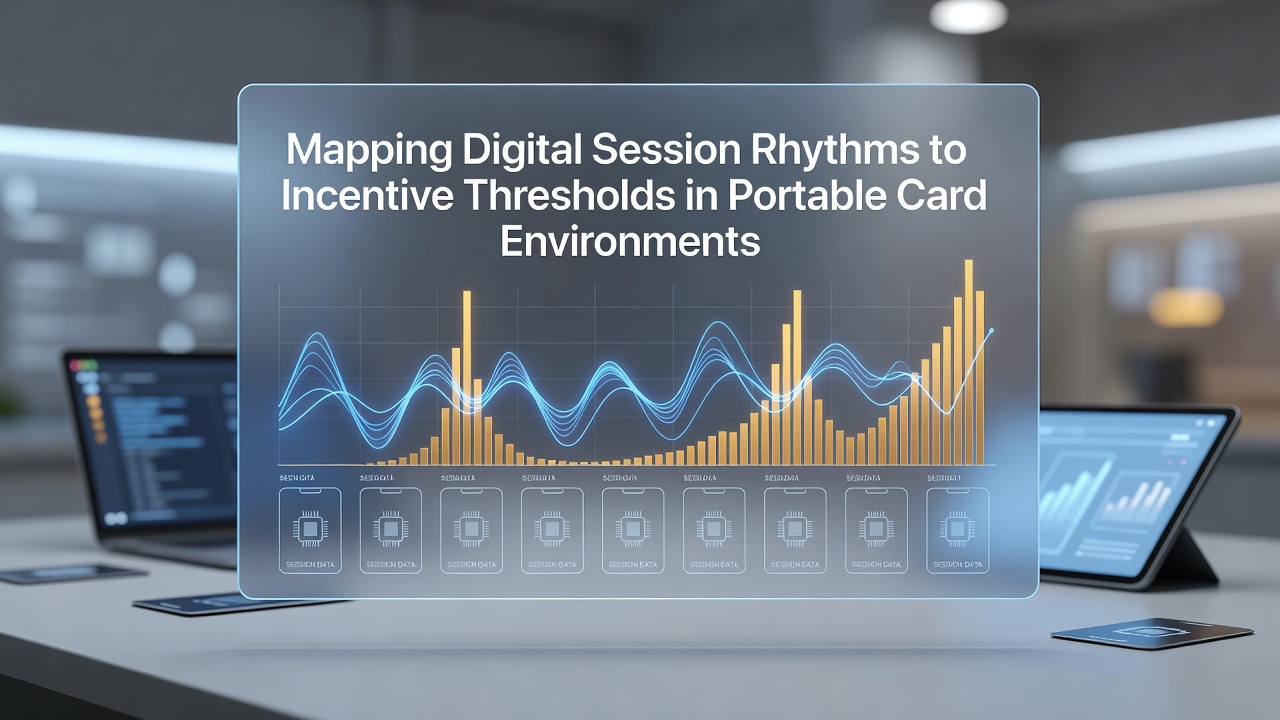
Analysts track player interactions within portable card applications by recording session length, frequency of decisions, and timing between actions to identify recurring rhythms that platforms then align with reward activation points. Data from multiple mobile platforms shows these rhythms often follow predictable cycles where shorter bursts of activity cluster around peak hours while extended sessions occur during evening periods across various regions. Researchers apply clustering algorithms to segment these patterns into categories such as rapid-fire play and deliberate pacing which then feed into threshold models that trigger incentives once specific benchmarks get reached.
Defining Session Rhythms in Mobile Card Platforms
Session rhythms emerge from aggregated user data that includes login times, hand completion rates, and response intervals collected across thousands of portable devices. Studies conducted by academic teams at institutions like the University of Melbourne reveal that participants tend to exhibit three primary rhythm types: high-frequency micro-sessions lasting under fifteen minutes, medium-duration engagements spanning thirty to sixty minutes, and prolonged marathon sessions exceeding two hours. These categories get refined further when platforms incorporate variables such as device type and network stability because connection quality directly influences how users pace their decisions during card rounds.
Platforms process this information through time-series analysis tools that detect deviations from established baselines for each user profile. When a participant shifts from consistent medium-duration sessions to irregular short bursts, the system logs the change and adjusts incentive delivery accordingly without requiring manual intervention from operators.
Establishing Incentive Thresholds
Incentive thresholds function as predefined activation levels where accumulated session metrics unlock bonuses, loyalty points, or entry into special events within card applications. Developers calibrate these points by cross-referencing historical rhythm data with conversion rates observed after previous reward distributions. Figures released in June 2026 by several European digital market regulators indicated that platforms adjusting thresholds based on real-time rhythm mapping experienced measurable increases in sustained user retention compared to static models.
Thresholds typically incorporate multiple data layers including total hands played within a rhythm cycle, average decision speed, and variance in session outcomes. This multi-factor approach allows systems to differentiate between users who maintain steady engagement and those who display sporadic activity patterns that might indicate external interruptions.
Integration Techniques and Data Mapping Processes
Mapping occurs through machine learning pipelines that ingest live session streams and output probability scores for reaching the next incentive layer. Engineers design these pipelines to handle high-volume inputs from portable environments where users frequently switch between applications and background processes. One notable implementation involves sliding window calculations that evaluate the most recent twenty sessions to predict whether current rhythm trends align with historical threshold triggers.
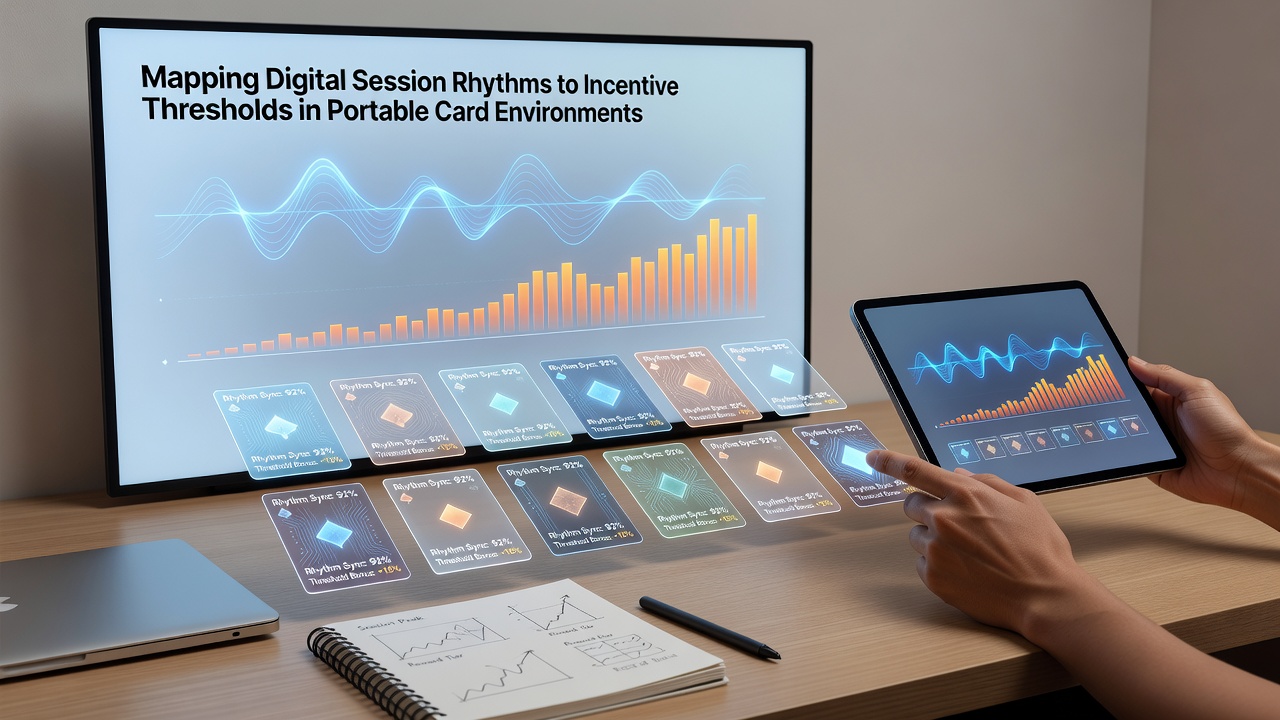
Integration also requires synchronization across different operating systems because rhythm detection must remain consistent whether the card environment runs on iOS or Android frameworks. Cross-platform validation studies conducted by research groups in Canada during early 2026 confirmed that unified mapping protocols reduced discrepancies in incentive timing by approximately eighteen percent across device categories.
Regional Variations and Platform Adaptations
Portable card environments adapt their mapping strategies according to regional usage norms documented in industry reports from organizations such as the Interactive Games and Entertainment Association of Australia. In markets where mobile data costs remain elevated, systems place greater weight on shorter rhythm segments to deliver incentives that encourage continued play without excessive data consumption. Conversely, regions with widespread high-speed connectivity support more granular tracking of extended sessions that incorporate detailed decision trees.
Regulatory frameworks in various jurisdictions further shape how thresholds get disclosed to users, ensuring transparency around the metrics that drive reward activation. Platforms operating under these guidelines publish summary statistics that outline average rhythm lengths and corresponding incentive points without revealing proprietary algorithm details.
Conclusion
Mapping digital session rhythms to incentive thresholds continues to evolve as portable card environments incorporate additional sensor data from devices and refine their analytical models. Evidence gathered through ongoing platform monitoring demonstrates that dynamic alignment between observed rhythms and reward structures supports sustained user activity across diverse geographic markets. Future developments will likely expand the variables included in these mappings as new data sources become available through improved mobile hardware and network capabilities.