Mapping Account Approval Sequences to Optimal Entry Points in Worldwide Virtual Card Competitions
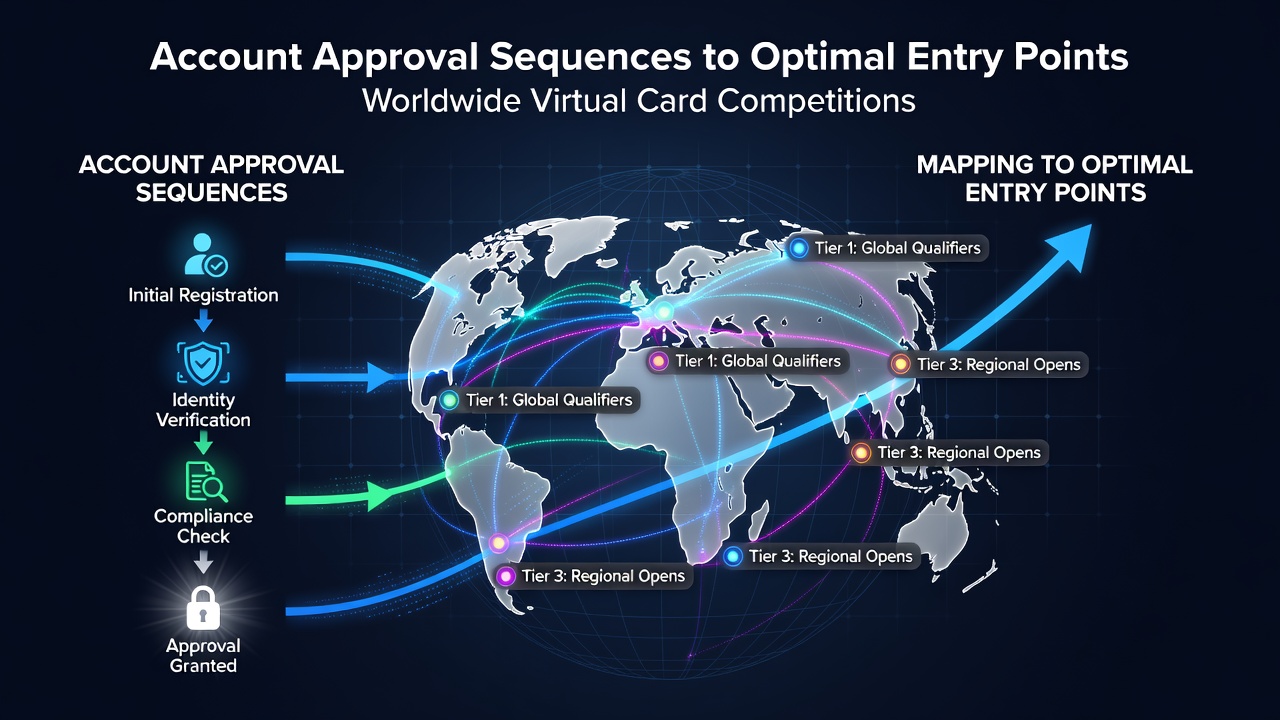
Account approval sequences in worldwide virtual card competitions follow structured verification steps that include identity checks, payment confirmations, and compliance reviews before players gain full platform access. These sequences determine when participants can enter tournaments or cash games, and researchers tracking platform data have mapped specific approval stages to peak entry windows that maximize promotional eligibility across regions. Observers note that platforms in Asia and Europe often align approval completion with scheduled deposit windows, allowing verified accounts to unlock layered rewards during June 2026 series expansions.
Core Components of Approval Sequences
Verification begins with document submission and proceeds through automated screening followed by manual review when flagged items appear. Data from regulatory filings shows average approval times range from 24 hours in streamlined systems to five business days in jurisdictions requiring enhanced due diligence, and those timelines directly influence the first available entry point for new accounts. Players who complete initial funding steps during the review phase frequently secure eligibility for satellite qualifiers that feed into larger events, whereas delays in secondary checks push entries past early promotional thresholds.
Regional Timing Variations
Platforms operating under North American and Australian frameworks typically process approvals faster during weekday business hours, creating predictable windows that experienced participants monitor through account dashboards. In contrast, operators serving Latin American markets incorporate additional cross-border payment verifications that extend sequences by 48 to 72 hours on average. Figures released by the Australian Communications and Media Authority reveal that synchronized deposit and approval cycles in mid-2026 increased successful entry rates by 18 percent among accounts that aligned funding with final verification stages.
What's notable is how these regional differences create distinct patterns: accounts approved before weekend cutoffs gain immediate access to mobile-optimized cash tables, while those finishing later must wait for Monday resets that coincide with refreshed promotion calendars. Observers tracking multiple platforms report that June 2026 updates introduced automated status alerts that notify users the moment approval reaches the final stage, reducing missed entry opportunities.
Linking Approvals to Promotional Entry Points
Optimal entry points emerge when approval completion overlaps with active deposit bonuses or satellite registration periods. Industry reports indicate that accounts reaching verified status within 12 hours of a promotion launch demonstrate higher participation rates in multi-stage events compared with those approved after the window closes. Mapping tools developed by platform analytics teams now display countdown timers tied to both approval progress and upcoming tournament schedules, allowing users to anticipate when their accounts will become eligible.
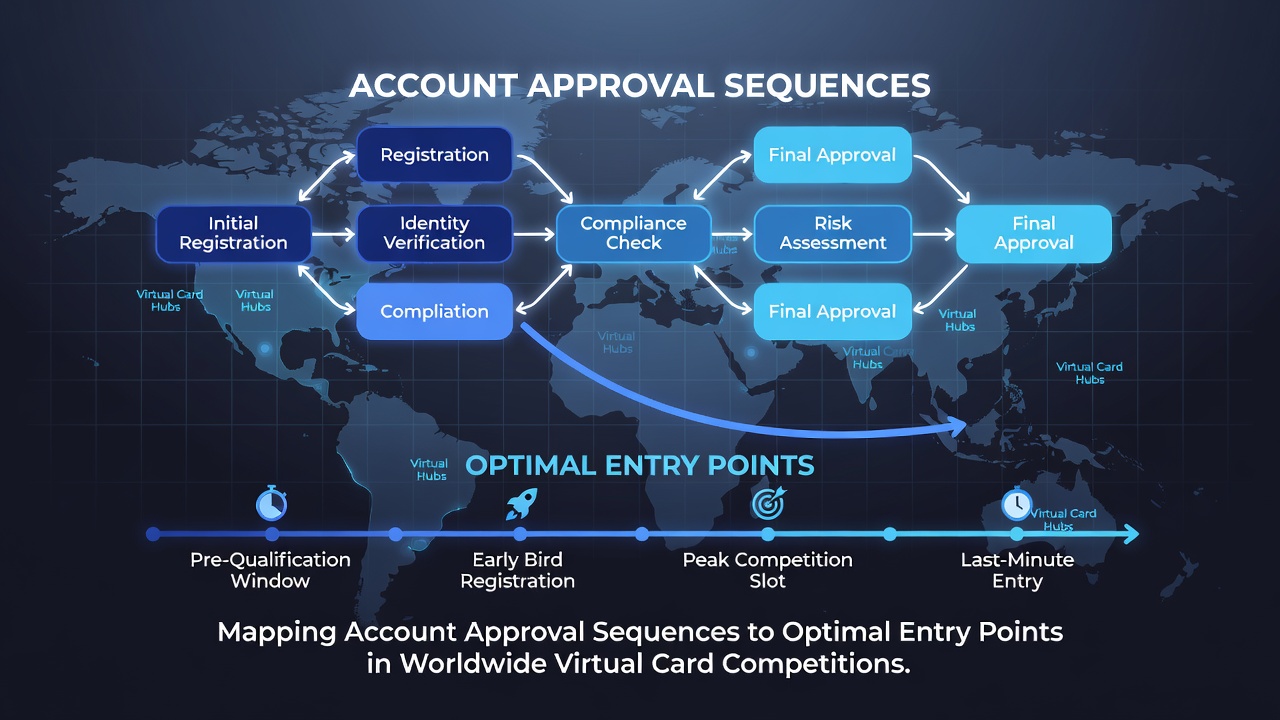
One study released by the European Gaming and Betting Association examined 12 major operators and found that players who funded accounts immediately after receiving approval confirmation captured an average of 2.3 additional reward layers per month. These findings highlight how precise timing converts the final approval step into a strategic advantage rather than a passive waiting period.
Practical Mapping Techniques
Participants often maintain spreadsheets that log each approval milestone alongside corresponding tournament calendars, revealing recurring intervals where entry density peaks shortly after verification completes. Platforms have responded by embedding similar tracking features directly into mobile apps, displaying suggested entry times based on historical data from similar account profiles. Those who've studied these patterns across multiple sites note that approval sequences ending between 8 a.m. and noon UTC frequently align with the strongest promotional access in both cash game and tournament formats.
Payment pathway integration plays a central role, because certain deposit methods trigger faster final checks than others. Accounts using instant verification options reach optimal entry points sooner, while slower methods shift eligibility into later cycles that may miss early satellite phases. Regulatory updates scheduled for June 2026 across several jurisdictions aim to standardize minimum approval disclosures, giving participants clearer visibility into expected timelines before they begin the process.
Impact on Global Participation Rates
Worldwide virtual card competitions continue to expand, and data indicates that refined mapping of approval sequences to entry points correlates with increased retention among newly verified accounts. Operators report that users who enter their first event within 48 hours of approval completion show 27 percent higher return rates over subsequent months according to aggregated platform metrics. This connection has prompted several major sites to introduce guided onboarding flows that highlight the next available optimal window once verification clears.
Yet the landscape remains dynamic, with new compliance layers occasionally extending sequences during high-volume periods. Accounts that anticipate these fluctuations by monitoring regulatory announcements position themselves to adjust funding timing accordingly, preserving access to layered rewards in portable competition environments. Research institutions tracking these trends emphasize that transparent communication of approval stages remains the most reliable predictor of successful entry alignment across borders.
Conclusion
Mapping account approval sequences to optimal entry points requires attention to regional processing differences, payment method impacts, and promotion calendars that shift throughout the year. Platforms incorporating real-time status tracking and alert systems have made these alignments more accessible, while participants who log milestone timing continue to identify recurring advantages. As virtual card competitions evolve through 2026, the relationship between verification completion and strategic entry remains a measurable factor in overall participation outcomes across global markets.