Encryption Layers in Digital Transfers Aligning Security Protocols with Tactical Adjustments in App-Driven Card Sessions
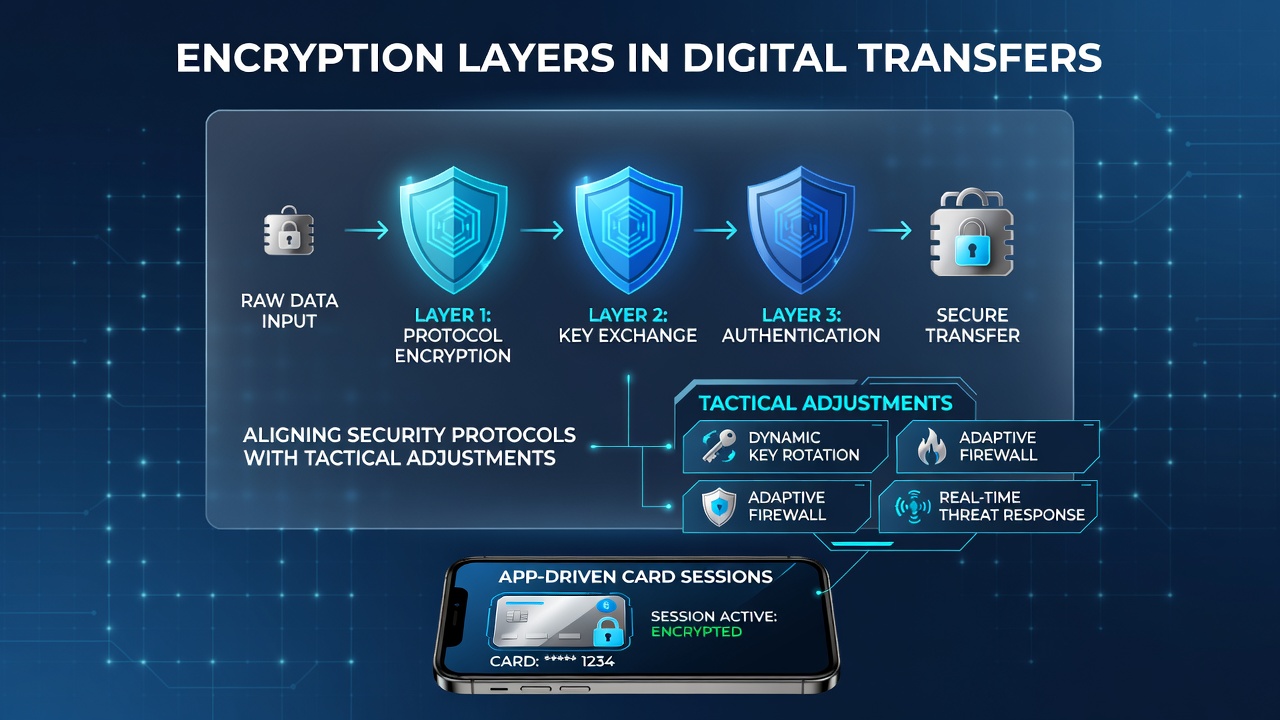
Digital transfers in app-driven card sessions rely on multiple encryption layers that secure player data during real-time gameplay, and these protocols have evolved to match the pace of mobile sessions where quick decisions define outcomes. In July 2026 operators continue to refine these systems as regulatory expectations around data protection tighten across multiple jurisdictions, and the integration of security measures directly influences how sessions unfold on handheld devices.
Core Components of Encryption Layers
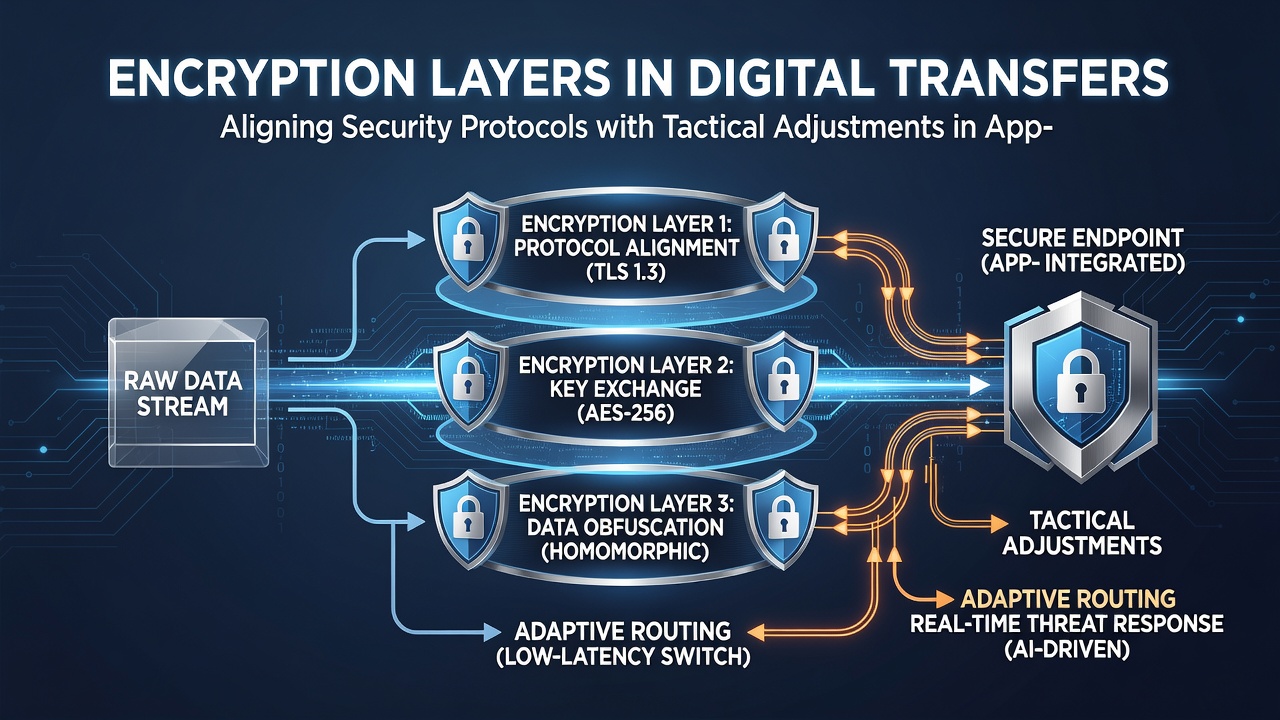
Encryption begins at the device level with protocols such as AES-256 that scramble sensitive inputs before they leave the application, while transport layer security handles the movement of that data across networks. Researchers note that combining these layers reduces exposure points during each hand or round, and session tokens receive additional wrapping to prevent interception mid-transfer. Observers have documented that apps processing payments alongside gameplay often add a third layer focused on transaction verification, which runs parallel to the game stream without interrupting flow.
Standards bodies including the National Institute of Standards and Technology have published updated guidance on key rotation schedules that many developers now implement quarterly. These schedules keep long-term keys from lingering in memory during extended play sessions, and they align with mobile operating system updates that arrive in the same calendar windows. Data from industry reports shows that applications adopting automated rotation experience fewer session interruptions when players switch between Wi-Fi and cellular connections.
Security Protocols and Real-Time Session Demands
App developers map security protocols to the rhythm of card sessions by embedding checks that activate during high-frequency actions such as betting rounds or card reveals. These checks run in milliseconds so they do not alter the timing players expect, yet they verify packet integrity before any new information displays on screen. European Union Agency for Cybersecurity documentation highlights that protocols designed for low-latency environments maintain the same cryptographic strength as heavier desktop versions while consuming fewer resources on portable hardware.
Multi-factor authentication tied to device biometrics further strengthens entry points without requiring repeated logins during a single sitting. Players who complete an initial verified session often receive temporary session keys that refresh automatically when the app detects network changes. This approach keeps authentication overhead low while preserving the continuous protection required for ongoing transfers of funds or game state.
Aligning Protocols with Tactical Adjustments
Tactical adjustments in app-driven card sessions frequently involve timing of deposits, withdrawal requests, and session length decisions, and encryption layers support these choices by confirming each action before it processes. When players adjust their approach based on available balance or promotion eligibility, the underlying security checks confirm that the displayed figures match server records without exposing raw data in transit. Studies conducted by academic teams in Canada have tracked how reduced latency in verification steps allows participants to maintain focus on game strategy rather than waiting for confirmations.
Operators configure protocol thresholds so that larger transfers trigger additional verification layers while smaller routine actions move through streamlined paths. This calibration prevents unnecessary delays during standard play yet adds safeguards when account activity deviates from established patterns. Those monitoring session data observe that such adaptive layering correlates with higher completion rates for in-app transactions across varied network conditions.
Implementation Patterns Observed in 2026
Throughout July 2026 several platforms rolled out unified encryption frameworks that apply identical standards to both tournament entries and cash-session transfers. These frameworks incorporate forward secrecy so that even if one session key becomes compromised later keys remain protected. Developers achieve this by generating ephemeral keys for each connection segment, a method that has gained wider adoption following earlier industry audits.
Integration testing now includes simulated network disruptions that measure how quickly protocols re-establish secure channels. Results indicate that modern implementations restore full encryption within two seconds of signal recovery, allowing sessions to resume without players needing to restart applications. Such resilience supports continuous play across regions where connectivity fluctuates during travel or peak usage hours.
Conclusion
Encryption layers continue to shape the operational backbone of app-driven card sessions by securing every digital transfer while accommodating the tactical timing players employ. As standards evolve and testing expands, the alignment between security protocols and session adjustments becomes more precise, supporting uninterrupted access across global networks. Data from regulatory and research sources confirms that these layered systems maintain integrity without imposing measurable friction on real-time decisions.